Translation in Consulting: More Than a Background Task Another challenge lies in continuity. Consultancy engagements evolve over time: proposals lead to reports, reports lead to policies, and policies lead to implementation frameworks. When translated content lacks consistency in terminology or tone, it creates friction and raises unnecessary questions. Experienced translation partners avoid this by managing knowledge centrally and maintaining alignment across all deliverables. Yet not all deliverables demand equal investment—interim working documents may require different standards than final strategic recommendations. Recognizing this helps allocate resources intelligently.
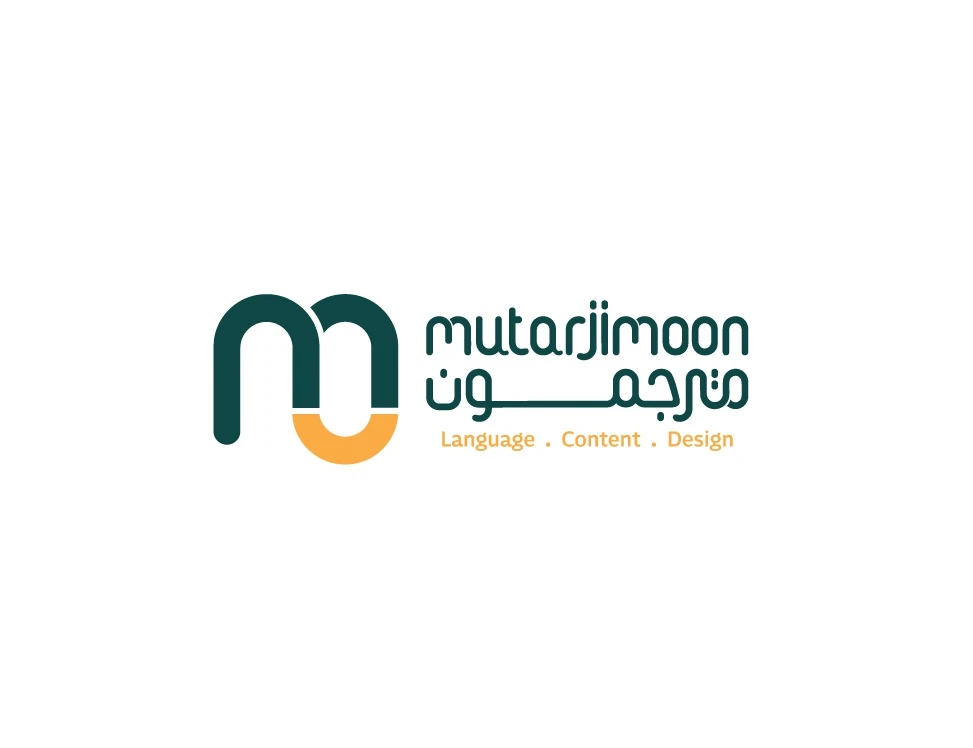
Continuity in Consultancy Translation One of the most common misconception is treating consultancy translation as a purely linguistic exercise. Advisory documents are not written to inform only, but to explain reasoning, frame risks, and guide action. A translation that captures the words but misses the intent can weaken an otherwise solid recommendation. The real starting point is understanding why the document was written and what outcome it is meant to support
Precision and Cultural Sensitivity Precision matters deeply, though its importance varies by context. Consultancy texts often rely on careful wording where assumptions, conditions, and measured conclusions are intentional. Small shifts in phrasing can unintentionally amplify or soften meaning, affecting how recommendations are interpreted. Translation also requires cultural sensitivity. How recommendations are framed matters as much as what they say. A strategy that resonates in one market may need reshaping for another, even when linguistically sound.
The Confidentiality Risk in TranslationYet beneath all these considerations lies something clients worry about constantly: confidentiality. Sensitive business strategies, financial projections, competitive insights, and proprietary methodologies move through translated documents. One breach, one careless data handling practice, and trust evaporates. This is where many translation services fall short. Relying on open-source AI tools or outsourcing to disconnected vendors creates invisible risks—data flowing through systems without accountability, processed by algorithms trained on unknown datasets, stored in unclear locations.
Mutarjimoon’s Approach to Confidentiality At #Mutarjimoon, we approach this differently. We treat confidentiality not as a compliance checkbox but as foundational to everything we do. It starts with meaningful NDAs—not boilerplate templates, but real agreements that reflect what's actually at stake. Our team consists of fulltime linguists, not rotating freelancers. They know your content, understand your context, and carry genuine responsibility. We deliberately work in closed-source paid AI tools that we make sure that they are not funnel client data into third-party systems. In addition, we depend on human expertise and rigorous observance systems where every document is tracked, every access is logged, and every hand that touches sensitive information is known and vetted.
Need secure consultancy translation?
Why Controlled Processes Matter This approach requires more intentionality than simply uploading files to a convenient platform. It demands organizational discipline. But it's also the only approach that allows clients to genuinely control their information. When you work with dedicated linguists bound by real agreements, handling documents through transparent processes, you know exactly where your confidential strategies and insights are at any moment.
Collaboration matters more than many expect. Translation works best when integrated into the consultancy workflow from the start, not added at the end. Teams that adapt to evolving drafts, tight timelines, and ongoing feedback contribute far more than translated pages. But this integration requires trust in your translation partner's processes and people. How do they handle sensitive revisions? Who reviews drafts? How do they manage feedback without leaving confidential information scattered across email chains?
The Cost–Quality Tradeoff and the Value of Trust Perhaps most importantly, organizations must grapple honestly with the cost-quality tradeoff. Premium translation costs money, and consulting firms operate on real margins. The question isn't whether translation matters—it does—but how much to invest given competing priorities. Choosing to work with fulltime linguists, maintaining robust confidentiality systems, and avoiding convenient shortcuts does cost more. Yet for work involving sensitive client information, it's often the most responsible choice.
At its best, consultancy translation protects insight, preserves intent, and helps ideas travel intact while keeping sensitive information genuinely secure. When handled with care, with people who stand behind their work, and with systems designed for accountability, translation becomes a quiet partner in better decisions—and a guardian of trust.
Need secure consultancy translation?
FAQ’s
Freequently Asked Questions
 Language Consulting
 Subtitling
 Audio Transcription
 Desktop Publishing (DTP)
 Language Editing
-webp.webp) Proofreading
Proofreading
 Machine Translation Post Editing (MTPE)
 Localization
 Interpretation
 Translation
 Multilingual Content Creation
 Digital Marketing
 Conference and Event Management
 Media Production
 Literary Sector
 Consultation Sector
 Marketing and Media Sector
 Blogs
Blogs
 E-books

-webp.webp "Simultaneous Interpretation services at conferences and events")

-webp.webp "What is Interpretation: From Words to Understanding")
Your Comment